

Isolation built into the architecture, not the configuration
Each regulatory domain—hazmat, fuel, tax—runs in its own tenant module. No shared engine, no row-level filters, no cross-domain bleed.
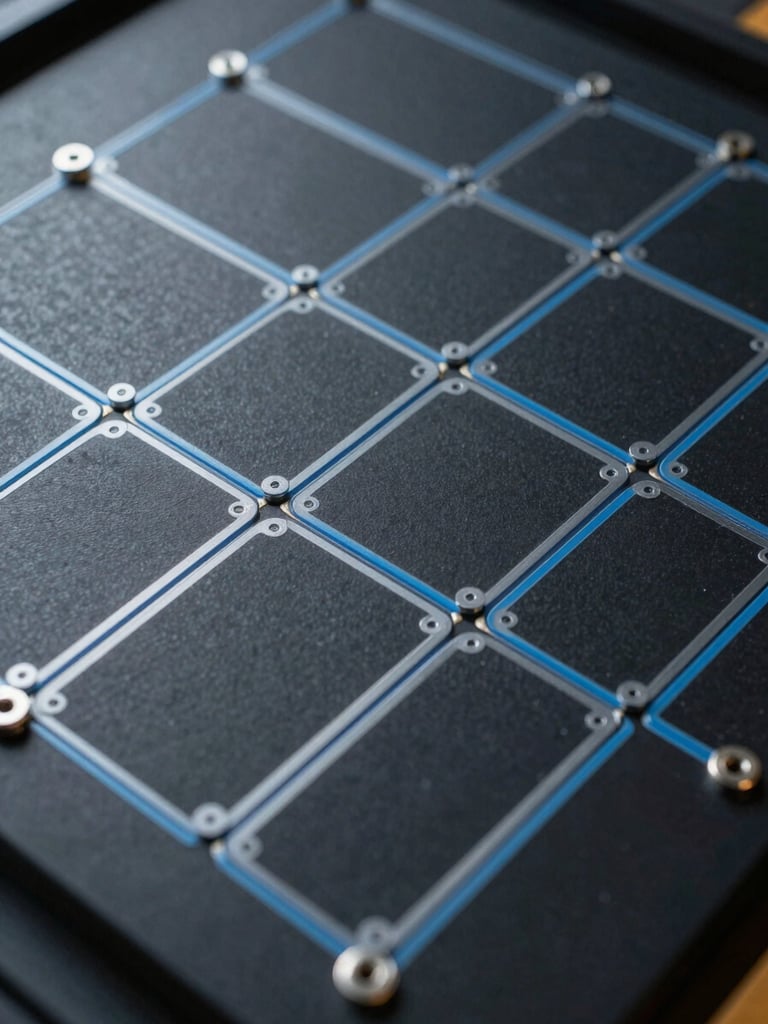

Layers that enforce what policy cannot
At the top, tenant modules give each regulatory domain its own RBAC matrix, audit trail, and reporting surface. Hazmat rules cannot reach the fuel-verification context—structurally impossible.
Core services—Enrich, Compliance, Audit, Auth and RBAC, Billing—operate as shared infrastructure beneath the tenant boundary. They serve every module without exposing one tenant's data to another.
The infrastructure layer—Postgres, Redis, S3, Elastic, Prometheus—is provisioned per-tenant where isolation demands it, shared where audit-grade controls make sharing safe.
Each domain runs in its own tenant module
Hazardous materials, isolated
Fuel-tax workflows, segregated
Multi-jurisdictional tax, contained
Multi-jurisdictional tax rules operate in their own tenant scope with independent reporting surfaces and a traceable decision record per jurisdiction.
Dedicated audit trail, reporting surface, and RBAC matrix for hazmat compliance. No contamination from adjacent regulatory domains.
Fuel-tax verification runs under its own module boundary—separate event log, separate service calls, no shared state with hazmat or tax contexts.
Audit the isolation itself
Walk through the architecture with IsoLayer's technical team. Every tenant boundary, every service handoff, every audit record—traceable and exportable.